
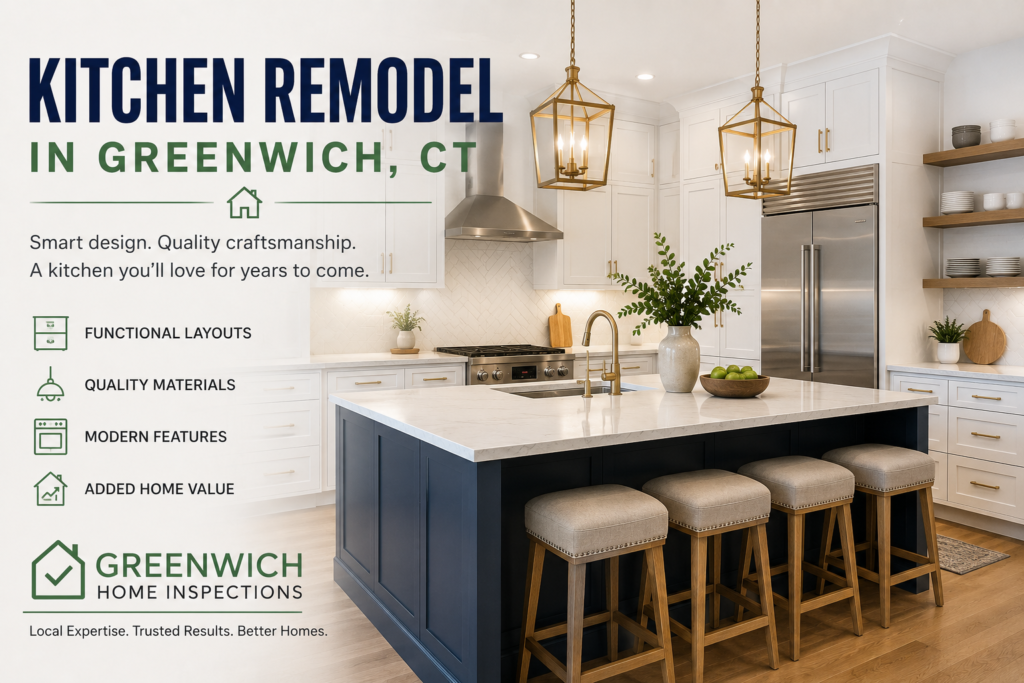
When it comes to home improvement, few projects can deliver as much satisfaction and potential value as a well-planned kitchen remodel. A kitchen is often considered the heart of the home, where families come together to cook, eat, and socialize. Therefore, a kitchen remodel should focus on enhancing functionality, aesthetics, and long-term durability, rather than merely cosmetic updates. This article will guide homeowners through the planning process, emphasizing crucial aspects such as layout, storage, workflow, and cohesive design.
Project Goals: More Than Aesthetic Appeal
Before starting any kitchen remodel, it’s important to establish clear goals. Consider the following:
- Improved functionality for cooking and entertaining.
- Enhanced storage solutions for better organization.
- Increased energy efficiency through upgraded appliances.
- A more cohesive aesthetic that reflects your personal style.
- Increased property value for future resale.
Setting specific goals will help steer the project in the right direction while ensuring that you make informed decisions throughout the process.
Layout and Traffic Flow
The layout of your kitchen significantly affects its functionality. Consider the work triangle—the space between the stove, sink, and refrigerator—when planning your layout. A well-designed kitchen allows for smooth traffic flow, reducing congestion during meal preparation or gatherings. Here are a few layout options to consider:
- U-Shaped: Offers maximum counter space and storage, ideal for larger families.
- L-Shaped: Provides an open design, encouraging interaction with living spaces.
- Galley: Maximizes efficiency in smaller kitchens, allowing for easy movement.
- Open Concept: Promotes a sense of spaciousness and improves social engagement.
Careful consideration of your kitchen’s layout can dramatically affect both functionality and ambiance.
Cabinets and Storage Solutions
Storage is key in any kitchen. Make the most of your space by selecting appropriate cabinetry and creative storage solutions:
- Full-Height Cabinets: Utilize vertical space for maximum storage.
- Pull-Out Shelves: Increase accessibility and reduce clutter.
- Corner Cabinets: Use lazy susans or pull-out racks to maximize corner space.
- Open Shelving: Offers aesthetic appeal and easy access to frequently used items.
A well-organized kitchen can simplify cooking and create a more enjoyable cooking experience.
Countertops and Backsplashes
Countertops and backsplashes are not just functional; they are significant design elements. Consider the following materials:
- Quartz: Durable and low-maintenance, perfect for busy kitchens.
- Granite: Offers a classic look with unique patterns.
- Marble: Adds elegance but requires more maintenance.
- Tile: Allows for creative designs in backsplashes.
Each material has its unique benefits, so consider durability, maintenance, and style when making your selections.
Sinks and Fixtures
The sink and fixtures are often overlooked but play vital roles in both functionality and aesthetics. Here are some options:
- Farmhouse Sinks: Stylish and practical for large pots and pans.
- Single or Double Basin: Consider your cooking habits when choosing.
- Water Filtration Systems: Improve drinking water quality and convenience.
- Stylish Faucets: Enhance usability while reflecting your personal style.
Selecting appropriate sinks and fixtures can improve your kitchen’s efficiency and add to its charm.
Lighting
Effective lighting enhances both functionality and mood. A well-lit kitchen allows for safer cooking and can make the space feel more inviting. Consider a combination of the following:
- Task Lighting: Focused illumination over work areas like the stove and counters.
- Ambient Lighting: Provides overall lighting for the entire space.
- Accent Lighting: Highlights architectural features or decorative elements.
Experiencing a variety of lighting types can create a versatile atmosphere suitable for any occasion.
Flooring and Ventilation
Choosing the right flooring can significantly impact both aesthetics and practicality. Consider durable materials such as:
- Tile: Water-resistant and easy to clean, ideal for kitchens.
- Hardwood: Offers warmth but may require more maintenance.
- Vinyl: Budget-friendly and available in various styles.
Additionally, proper ventilation is essential in a kitchen to eliminate odors and prevent moisture buildup. Invest in a high-quality range hood or exhaust fan to ensure good air quality.
Appliance Planning
When planning your kitchen remodel, consider the type of appliances that best suit your lifestyle:
- Energy-Efficient Models: Save money on utility bills.
- Size and Capacity: Ensure appliances fit well within your kitchen’s layout.
- Style: Choose finishes that complement your overall design.
Proper appliance planning can significantly enhance the kitchen’s functionality and energy efficiency.
Electrical and Plumbing Considerations
Any structural changes involving plumbing, electrical systems, or permits require the expertise of properly licensed professionals. An experienced contractor considers the following:
- Ensures compliance with local building codes and regulations.
- Coordinates work between different trades to avoid delays.
- Identifies potential issues before they become significant problems.
Neglecting these aspects can lead to safety hazards and costly repairs down the road.
Materials, Sequencing, and Finish Coordination
When selecting materials, aim for a cohesive palette that reflects your style. Sequencing is also crucial for a smooth remodel:
- Start with structural changes, such as plumbing and electrical work.
- Install cabinets before countertops.
- Finish with painting and installing light fixtures.
Proper sequencing ensures that you don’t have to undo work to accommodate later changes.
Closing Thoughts
A successful kitchen remodel significantly enhances functionality, aesthetics, and property value. Thoughtful planning and the right choices in layout, materials, and appliances will result in a space that meets your needs for years to come. Always consider employing experienced contractors for tasks that require licensed tradespeople to ensure both quality and compliance.