
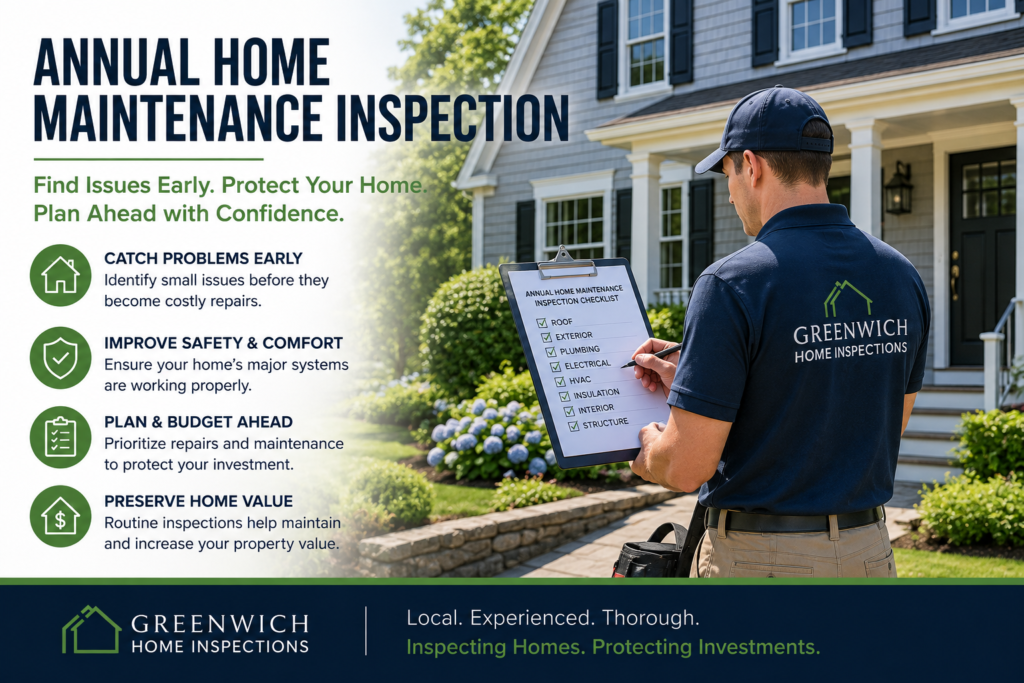
As a homeowner, it’s easy to get caught up in daily routines and overlook the condition of your property. However, neglecting regular inspections can lead to significant problems down the line. Annual home maintenance inspections provide a proactive approach to homeownership, allowing you to identify minor defects and aging systems before they escalate into costly repairs. Let’s explore why these inspections are essential and how they can complement your routine maintenance efforts.
The Value of Annual Home Maintenance Inspections
Annual home maintenance inspections serve multiple purposes that benefit homeowners. By having a professional inspect your home regularly, you can:
- Identify Minor Issues Early: Small problems—like a leaky roof or minor plumbing concerns—can quickly turn into major headaches if left unchecked.
- Assess the Condition of Systems: Heating, cooling, electrical, and plumbing systems age over time. Regular inspections help assess whether these systems are functioning properly.
- Ensure Safety: Safety concerns, such as exposed wiring or gas leaks, can pose serious risks to your home and family. Inspections can uncover these hazards.
- Monitor Wear and Tear: Homes endure regular wear and tear. A comprehensive inspection can highlight areas that may need immediate attention or could become problems in the near future.
A Framework for Annual Maintenance Inspections
To make the most of your annual inspections, it’s helpful to follow a systematic approach. Here’s a breakdown of key areas to focus on during your inspection:
Roof and Exterior
Check for missing or damaged shingles, signs of water damage, and the condition of gutters and downspouts. Look for cracks in exterior walls or signs of mold which could indicate moisture problems.
Drainage
Evaluate the grading of your property to ensure water drains away from the foundation effectively. Inspect downspouts to confirm they’re directing water away from your home.
Foundation and Structure
Examine the foundation for cracks, shifts, or settling issues. Structural components like beams and joists should also be inspected for any visible signs of deterioration.
Plumbing
Inspect pipes for leaks, corrosion, or blockages. Pay special attention to areas prone to moisture buildup, such as under sinks or around toilets.
Electrical Systems
Look for any exposed wiring, tripped breakers, or signs of electrical issues like flickering lights. An inspection can identify potential fire hazards.
HVAC Systems
Heating and cooling systems should be inspected for functionality and efficiency. Check filters, thermostat functionality, and the general condition of the units.
Insulation and Ventilation
Good insulation keeps your home energy-efficient. Inspect attics and crawl spaces for adequate insulation levels and proper ventilation to prevent moisture buildup.
Moisture Concerns
Look for signs of moisture—such as dampness, mold, or mildew—in basements and other areas. Early detection can prevent expensive remediation later.
Visible Safety Issues
Ensure that all handrails, staircases, and walking paths are safe and secure. Identify any areas that could pose hazards, especially for elderly family members or young children.
Prioritizing Repairs and Monitoring
Once your inspection is complete, you will receive a detailed report highlighting any issues found. Use this report to:
- Prioritize Immediate Repairs: Address urgent issues that could lead to safety concerns or severe damage.
- Plan Near-Term Projects: Identify repairs that may not be urgent but are necessary for maintaining the home’s value and comfort.
- Monitor Items Over Time: Keep an eye on areas that are beginning to show wear or that require consistent maintenance.
Remember, while an annual maintenance inspection is invaluable, it is not a substitute for specialist servicing or emergency repairs. Specialized issues—like plumbing or electrical concerns—should always be addressed by qualified professionals.
Conclusion
Investing in an annual home maintenance inspection is a strategic move for homeowners looking to maintain their property effectively. By identifying issues early on, you can save money, enhance safety, and ensure your home remains a comfortable sanctuary for years to come.